Insights & Innovations at BluAI
The journey toward fully autonomous transportation.
Join us as we explore what’s next in the world of AI and beyond.
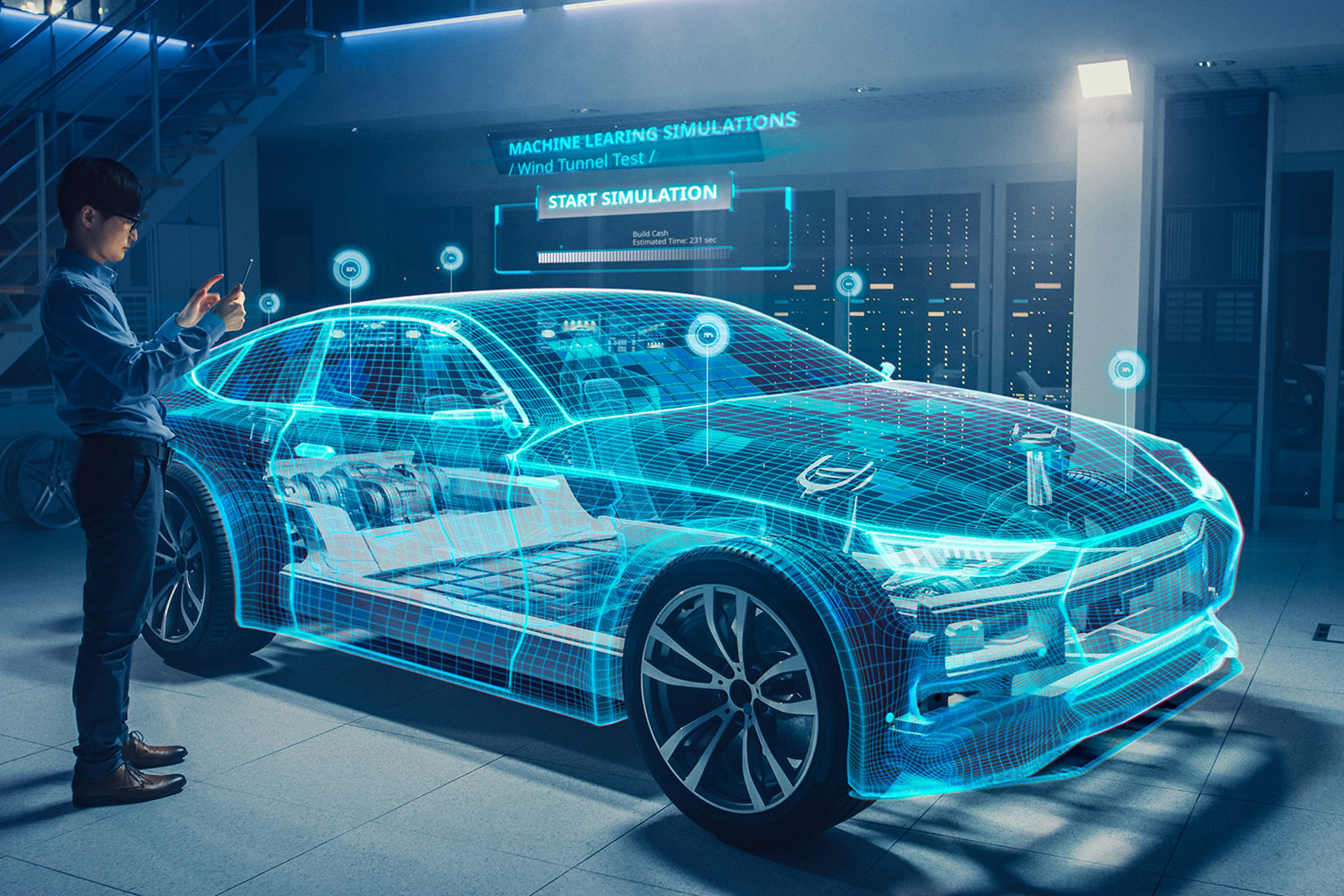
Autonomous Vehicles: The Road to Full Automation
AdminBluAI · BluAI · June 13, 2024
Autonomous vehicles (AVs) are rapidly becoming a reality, with companies like Tesla, Waymo, and GM Cruise leading the charge. The integration of AI, sensors, and data processing has paved the way for safer and more efficient transportation systems.
Levels of Automation:
Level 2 (Partial Automation)
Tesla’s Autopilot and GM’s Super Cruise offer Level 2 automation, where the system controls acceleration, braking, and steering, but the driver must remain engaged.
Level 4 (High Automation)
Companies like Waymo are testing Level 4 AVs that can operate without human intervention under certain conditions. These vehicles rely heavily on AI, LiDAR, radar, and high-definition maps to navigate.
Level 5 (Full Automation)
AI-powered tools like IBM Watson Health and Google’s DeepMind are helping doctors analyze complex data to provide personalized treatment plans. Machine learning algorithms are improving the accuracy of disease prediction, especially in areas like cancer detection.Level 5 automation represents the ultimate goal—fully autonomous vehicles capable of driving in any condition without human intervention. While this level is still in development, advancements in AI, machine learning, and sensor fusion are bringing it closer to reality.
Challenges Ahead:
Regulation and Safety
Governments are still developing regulatory frameworks for AVs. Ensuring public safety and creating standardized testing protocols are key to wider adoption.
Infrastructure Requirements
AVs need smart infrastructure with 5G connectivity and vehicle-to-everything (V2X) communication to function optimally in real-world conditions.